

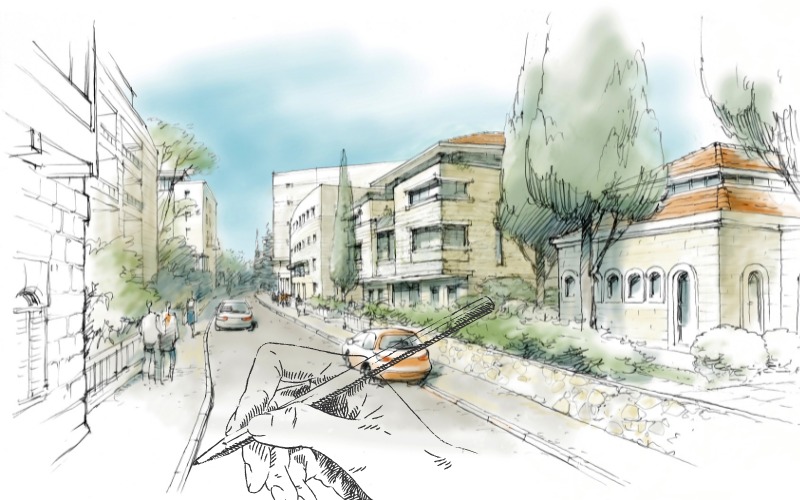
Talent might spark an interest in art, but practice is what turns interest into ability. Many aspiring artists believe improvement comes from expensive tools, formal classes, or waiting for inspiration to strike. In reality, the fastest way to grow as an artist is surprisingly simple: draw regularly. Consistent drawing practice builds skills, confidence, and creative clarity far more effectively than occasional bursts of effort.
Let’s explore why making drawing a daily or regular habit accelerates artistic growth and transforms the way you create.
Drawing isn’t just about moving your hand—it’s about training your eye. When you draw often, you start noticing shapes, proportions, shadows, and details that once went unnoticed. Your brain learns to break complex objects into simple forms, making drawing feel less overwhelming.
With regular practice, observation becomes instinctive. You begin to “see” like an artist even when you’re not holding a pencil. This sharpened visual awareness is one of the most powerful skills an artist can develop.
At first, drawing can feel awkward. Lines may wobble, curves feel stiff, and proportions seem off. Regular practice builds muscle memory, allowing your hand to move more confidently and smoothly.
Over time, drawing becomes less about thinking through every stroke and more about flow. Your hand responds automatically to your visual decisions, freeing your mind to focus on creativity instead of control.
Spending ten to twenty minutes drawing every day is often more effective than a single long session once a week. Regular short practice keeps your skills active and prevents the “starting over” feeling that comes with long breaks.
Daily drawing:
Consistency creates momentum, and momentum keeps you motivated.
When you draw regularly, mistakes stop feeling like failures. Instead, they become valuable feedback. You quickly recognize recurring issues—proportions, perspective, shading—and can work on correcting them.
Frequent practice shortens the gap between trying, failing, learning, and improving. The more often you draw, the faster you understand what works and what doesn’t.
One of the biggest hurdles for artists is self-doubt. Regular drawing builds confidence because you become familiar with your tools, your process, and your progress. Even on days when a sketch doesn’t turn out well, the act of showing up reinforces trust in your abilities.
Confidence doesn’t come from perfection—it comes from experience. And experience is built through consistent practice.
Waiting for inspiration often leads to long creative blocks. Regular drawing flips this mindset. When you draw often, creativity shows up more naturally because you’re already engaged in the process.
Ideas start forming mid-sketch. Experiments feel less risky. You become more open to exploring new styles, subjects, and techniques because drawing is no longer intimidating—it’s familiar.
When you practice regularly, improvement becomes easier to track. Looking back at older sketches can be incredibly motivating. You notice cleaner lines, better proportions, and stronger compositions.
Seeing tangible progress reinforces the habit and encourages you to keep going. Each drawing becomes a stepping stone rather than a final judgment of your ability.
Regular practice doesn’t just improve technical skills—it builds discipline. This habit is what separates hobbyists from serious artists. Discipline teaches you to create even when motivation is low, which is essential for long-term artistic growth.
This mindset prepares you for advanced learning, commissions, competitions, or creative careers.
Final Thoughts
Improving as an artist isn’t about rushing or chasing perfection. It’s about showing up consistently. Regular drawing practice sharpens observation, strengthens coordination, builds confidence, and unlocks creativity—all at a faster pace than sporadic effort ever could.
Whether you’re a beginner or an experienced artist, the rule remains the same: draw often, draw freely, and let progress happen naturally. Your skills will grow faster than you expect—one sketch at a time

Sofia Art Academy is a classical-style private art school, provides great opportunity to study with classically-trained master-teachers the fundamentals of classical drawing and painting, to colorful stylized composition.
Sofia Art Academy of Miami 17395 N. Bay Rd. Suite 203 Sunny Isles Beach Miami, FL 33160
Copyright Sofia Art Academy © 2024, All rights reserved.
Designed & Developed By CODE4SURE